

How to Measure EMI: A Complete Guide
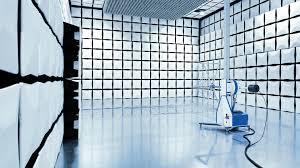
Electromagnetic interference (EMI) can disrupt the performance of electronic devices, making it essential to know how to measure EMI accurately. EMI measurement helps engineers, designers, and compliance specialists identify unwanted signals, ensure product safety, and meet regulatory standards like FCC, CISPR, and IEC requirements. Proper measurement not only protects devices but also ensures electromagnetic compatibility (EMC) in complex electronic systems.
Understanding EMI
EMI occurs when unwanted electromagnetic signals from one device interfere with the operation of another. It can be categorized as:
-
Conducted EMI: Noise transmitted through power lines or signal cables.
-
Radiated EMI: Noise emitted through the air via electromagnetic waves.
Identifying the type of EMI is critical before measurement, as each requires a different testing setup and equipment.
Tools Required for EMI Measurement
Accurate EMI measurement depends on the right tools. Essential instruments include:
-
Spectrum Analyzer: Detects frequency and amplitude of EMI signals.
-
EMI Receiver: Specialized instrument designed for compliance testing.
-
Near-Field Probe: Measures EMI directly near components on a PCB.
-
Line Impedance Stabilization Network (LISN): Measures conducted emissions on power lines.
-
Antennas: Various types are used for radiated EMI measurements.
Steps to Measure Conducted EMI
Conducted EMI appears on power lines and can affect other connected devices. To measure it:
-
Connect the device under test (DUT) to a LISN.
-
Ensure all grounding and shielding follow standard EMC procedures.
-
Use an EMI receiver to scan relevant frequency ranges (typically 150 kHz to 30 MHz).
-
Record the amplitude and frequency of interference.
-
Compare results with regulatory limits to determine compliance.
Steps to Measure Radiated EMI
Radiated EMI measurement focuses on signals emitted into the air. Key steps include:
-
Place the DUT in an anechoic chamber or open area test site (OATS).
-
Use calibrated antennas to detect EMI over standard frequency ranges (30 MHz to 1 GHz or higher, depending on standards).
-
Rotate the DUT and antenna to capture maximum emissions.
-
Record results using an EMI receiver or spectrum analyzer.
-
Evaluate data against emission limits for compliance.
Best Practices for EMI Measurement
-
Calibrate Equipment: Regular calibration ensures accurate readings.
-
Proper Grounding: Avoid measurement errors caused by grounding issues.
-
Minimize Reflections: Use anechoic chambers for radiated EMI to reduce signal reflections.
-
Document Setup: Maintain clear test reports for regulatory compliance.
-
Repeat Measurements: Multiple runs help confirm consistency and reliability of data.
Common Challenges
-
Ambient Noise: External signals can interfere with measurement accuracy.
-
Component Variability: Different devices or production lots may emit varying EMI levels.
-
Equipment Limitations: Using the wrong probe or analyzer bandwidth can lead to misleading results.
Conclusion
Knowing how to measure EMI is critical for ensuring device reliability, safety, and regulatory compliance. By following standardized procedures, using proper equipment, and maintaining rigorous testing protocols, engineers can effectively detect, quantify, and mitigate electromagnetic interference. Proper EMI measurement not only safeguards electronics but also enhances overall system performance and user satisfaction.

 English
 Arabic
 French
 Spanish
 Deutsch
 Turkish
 Dutch
Dutch
 Italiano
 Russian
 Romaian
 Portuguese (Brazil)
 Greek
Greek