

Retail Success with Custom Bottle Boxes
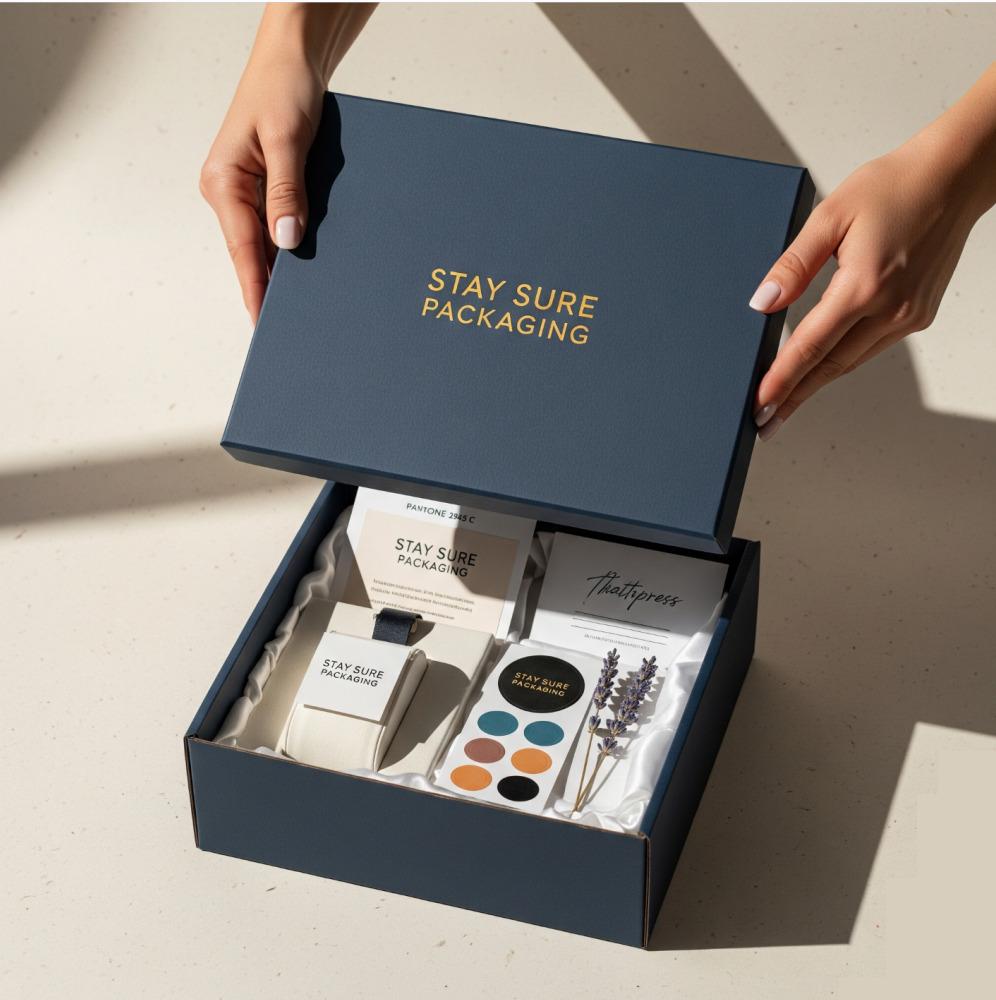
Packaging often decides whether a shopper picks your bottle off the shelf. Good box design protects the product and tells a story. Small details can lift sales and cut returns.
Target audience and goals
Retail brands and D2C beverage sellers need boxes that sell on sight. For many teams the objectives are clear: shelf impact, protection, brand storytelling, and ROI. Some brands test branded bottle boxes for short runs and prototypes before scaling.
Market context and trends
Consumers expect packaging to feel premium and honest. They notice texture, strong typography, and tidy construction.
- Premium expectation: people pay more for perceived quality.
- Sustainability: recyclable and compostable materials matter to buyers.
- Omnichannel: the same box must work in-store and for online unboxing.
Why custom bottle boxes matter
Protection keeps liquid and glass intact during transit. Box design prevents sloshing and breakage.
On crowded shelves a unique silhouette or finish stops the scroll. Giftability adds perceived value. Clear regulatory labeling builds trust and keeps compliance tidy.
Design considerations for bottle boxes
Start with fit. Measure bottle height, base diameter, and neck shape. Allow a little room for inserts.
- Size and fit: neck supports, padding, and snug holds reduce movement.
- Opening experience: tuck flaps, auto-lock bottoms, magnetic closures, and sleeves each create a different reveal.
- Visibility vs containment: windows show the product, but containment controls light and temperature.
- Brand storytelling: use color, typography, and imagery to tell a clear message from across the aisle.
- Shelf-ready design: consider perforations, stacking strength, and how the box sits on fixtures.
Materials and sustainability
Choose paperboard grade by weight and rigidity. Thicker boards suit heavy bottles.
- Paperboard grades: solid bleached sulfate for print, kraft for rustic looks.
- Coatings and barriers: aqueous or wax coatings can help with moisture resistance.
- Recyclability: prefer curb-side recyclable materials wherever possible.
- Certifications: look for FSC or SFI labels when sourcing fiber.
- Reusable concepts: a sturdy set-up box can become a keepsake container.
Box types and construction
Pick a style that matches brand intent and budget.
- Rigid set-up boxes: premium feel, higher cost, great for gifts.
- Folding cartons: cost-effective and quick to ship flat.
- Telescope boxes: offer lift-off lids or drawers for a luxury reveal.
- Gable and handle boxes: work well for multi-bottle gift sets.
- Half-cut and full-wrap sleeves: useful for secondary branding and protection.
- Inserts: foam, molded pulp, or cardboard supports keep bottles steady.
- Tamper-evident seals: important for consumer confidence and safety.
Printing and finishing options
Match print method to run size and detail level. Digital suits short runs. Offset shines on long runs.
- Finishes: matte, gloss, or soft-touch change the tactile cue.
- Decorative touches: foil stamping and embossing add perceived value.
- UV spot gloss highlights logos or images selectively.
- Color management: consistent color across batches protects brand identity.
- Inner prints: hidden messages or brand stories inside panels delight customers.
Branding and packaging integration
Decide where the logo sits and why. Use hierarchy so shoppers read the right elements first.
- Typography must be legible at arm’s length under store lighting.
- Color choices often match beverage type—greens for natural, blacks for luxury.
- Labeling must include regional regulatory copy, ingredient lists, and warnings.
Practical design guidelines
Design for rough handling. Transit is rarely gentle.
- Run drop and impact tests early in development.
- Test vibration for long-haul freight.
- Account for humidity and moisture that can weaken board strength.
- Balance tamper-resistance with a pleasant unboxing moment.
Materials sourcing and supplier management
Qualify suppliers before placing large orders. Ask for samples and certificates.
- Check lead times and minimum order quantities up front.
- Discuss tooling, die lines, and clear artwork handoffs.
- Partner with suppliers who can show sustainability practices.
Costing and ROI
List cost drivers and how they affect unit price. Raw materials, printing, and inserts matter most.
- Cost-per-unit falls with higher volumes. Forecasts should be conservative.
- Calculate ROI from increased sales and reduced breakage.
- Bundling can reduce packaging cost per item for gift sets.
Production timeline and logistics
Plan NPI steps clearly. Allow time for prototyping and approvals.
- Prototyping cadence: mockups, proofs, and pre-production samples.
- Packaging line integration: ensure boxes run smoothly on filling lines.
- Account for storage needs and how boxes stack in the warehouse.
Retail shelf optimization
Measure shelf impact in real units. Small color shifts can change visibility.
- Consider planogram fit and clearance heights.
- Endcap and promotion-ready boxes need quick setup features.
- Seasonal variants can drive short-term interest with minimal tooling.
E-commerce and unboxing experience
Online buyers want boxes that protect and delight. Inner packaging keeps bottles safe in transit.
- Use cushioning or molded supports inside shipping cartons.
- Decide between branded exterior or plain shipping boxes for privacy.
- Design for the reveal: a nice inner panel message can boost social shares.
Compliance and safety
Follow regional labeling laws for ingredients and allergens. Double-check requirements per market.
- Consider child-resistant options if product needs it.
- Tamper-evident seals deter counterfeit and reassure buyers.
Case studies and benchmarks
Small design changes often give measurable lifts. One brand cut returns by 30 percent with better inserts.
- Shelf performance often improves with a stronger silhouette and bold contrast.
- Material swaps to lighter board saved costs without harming perceived quality.
Testing and quality assurance
Run functional tests that reflect real handling. Simulate warehouse stacking and courier drops.
- Drop and crush tests are basic requirements.
- Use humidity chambers to test print stability in different climates.
- Track print color over time to avoid batch mismatches.
Implementation roadmap
Break the project into clear phases and gates. Keep stakeholders aligned on deadlines.
- Discovery and brief: capture constraints and priorities.
- Concept to prototypes: quick mockups first, then refined samples.
- Supplier selection and tooling: qualify vendors and order tools.
- Validation, production, launch: run pilot batches before full production.
- Post-launch: collect retail feedback and iterate.
Common pitfalls and how to avoid
- Over-design: ornate boxes can inflate cost and slow production. Keep critical features only.
- Misalignment: marketing and logistics must sign off on the same spec sheet.
- Underestimating lead times: tooling can add weeks to your schedule.
Actionable checklist
- Decide box type, material, and closure by week one.
- Gather dielines, high-res logos, and color specs early.
- Schedule prototype reviews and final approvals.
- Confirm logistics for storage, packing, and returns handling.
Expert tips from a decade in custom boxes
- Quick wins: add a simple spot gloss on the logo for immediate shelf lift.
- Cost balance: use printed sleeves for short runs instead of full setup boxes.
- Sustainability shortcuts: switch to uncoated kraft for a greener look without big cost increases.
FAQs
How do I choose between rigid and folding boxes for bottles?
Rigid boxes offer premium feel and protection. Folding cartons cost less and ship flat. Match choice to price point and expected use.
What is a typical timeline for a bottle box project?
Smaller projects can run four to six weeks. Complex tooling and premium finishes can take three months or more. Always add buffer time.
How much should I budget for finishes like foil or embossing?
Finishes add per-unit cost and tooling fees. For short runs, expect higher per-unit costs. For long runs, unit cost drops significantly.
What inserts work best for fragile glass bottles?
Molded pulp is economical and eco-friendly. Foam offers tight protection for premium bottles. Cardboard supports work well for stable necks.
Can I make eco-friendly boxes that still look premium?
Yes. Use heavier recycled boards, simple print, and tactile finishes like soft-touch. Avoid plastic windows and choose water-based inks.

 English
 French
 Spanish
 Portuguese
 Deutsch
 Turkish
 Dutch
Dutch
 Italiano
 Russian
 Romaian
 Portuguese (Brazil)
 Greek
Greek