

Custom Bottle Boxes for Wine and Beverage Brands
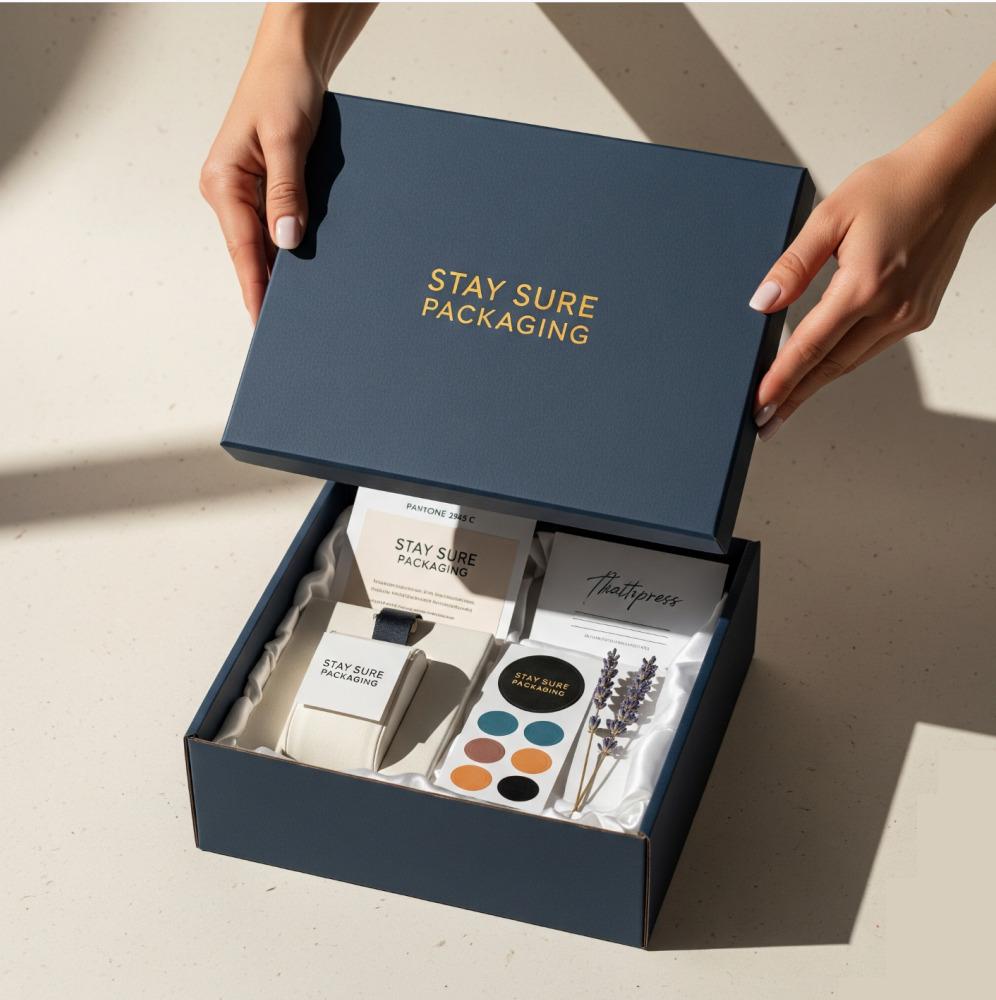
Packaging for bottle brands needs to protect fragile contents and speak to buyers. A good box should prevent breakage, control temperature, and reflect the brand.
This piece walks through practical choices for wine and beverage brands. Expect clear advice on structure, materials, finishes, testing, and costs.
Overview
Designing boxes for bottles mixes engineering with storytelling. Brands that ship wine or craft beverages must think about protection, shelf appeal, and handling. Find the right mix of form and function, and link your visual language to real-world performance like custom packaging for bottles that meet handling needs.
Market trends and consumer expectations
Consumers expect premium unboxing for higher-priced bottles. Sustainable choices sway purchase decisions. Quick delivery and intact products matter most to repeat buyers.
Gift occasions push demand for multi-bottle sets and decorative finishes. Small brands often compete on packaging storytelling rather than price.
Box types for wine and beverages
Single-bottle luxury boxes
These boxes emphasize presentation and protection. Thick paperboard, interior supports, and soft liners are common. They work well for limited releases or premium labels.
Multi-bottle and gift sets
Sets require internal dividers and load-tested cartons. Compartments reduce movement during transit. They also create a strong gifting moment on shelves.
Insulated and temperature-controlled options
Insulation matters for delicate wines and specialty beverages. Foam cores, thermal liners, and refrigerated inserts keep contents stable. Use these for long shipments or hot climates.
Sliding drawer and lid boxes
Pull-out drawers and lift-off lids feel premium. They need precise tolerances to glide without catching. Magnetic closures add a tactile finish if budgets allow.
Windowed and display boxes
Windows boost shelf visibility and reduce friction for sampling. Use plastic-free windows when possible to keep recyclability. Placement of the window should protect labels from UV light.
Structural design considerations
Load-bearing requirements and protection
Calculate total weight, including bottles and inserts. Tests for compression and stacking density help set board grades. Overbuild slightly for multi-layer shipping.
Flush vs pull-out design
Flush boxes are compact and stack well. Pull-out designs offer drama at unboxing. Choose based on shelf space and the unboxing experience you want to deliver.
Locking mechanisms and closures
Tuck locks, magnetic flaps, and ribbon ties are common. Locks should prevent accidental opening during transit. Test closures across typical handling scenarios.
Inserts, supports, and dividers
Corrugated partitions, molded pulp, and foam inserts each solve different problems. Pulp and corrugated are low-impact choices. Foam gives tight fit for fragile bottles.
Tamper-evidence and security features
Security seals and perforated tear strips show if a package has been opened. Tamper-evident features protect brand trust for higher-value bottles.
Shelf presence and product visibility
Consider face-out vs edge-out display. A strong front panel and clear logo placement improve shelf recognition. Contrast and typography make labels readable from a distance.
Materials and sustainability
Paperboard weights and grades
Single- and multi-ply boards offer varied stiffness. Choose a weight that matches your ship-and-shelf needs. Thicker board improves perceived quality.
Corrugated options
Corrugated comes in B, C, and double-wall flutes. Taller stacks and longer routes need stronger flute profiles. Corrugated can be molded for inserts.
Coatings, laminations, and barrier properties
Coatings protect against moisture and scuffing. Water-based varnishes keep printing bright. Barrier liners add thermal resistance for chilled goods.
Recycled and low-impact alternatives
Post-consumer recycled content reduces footprint. Look for high recycled fiber content while keeping necessary strength. Supply chains are improving for these papers.
Recyclability and compostability
Limit mixed materials to help recycling streams. Pure paperboard with minimal plastic makes end-of-life handling easier. Label materials clearly for consumers.
Finishing options and aesthetics
Printing methods (offset, digital, flexo)
Offset suits large runs and tight color control. Digital allows short runs and variable data. Flexo works on corrugated and high-throughput lines.
Colors, branding alignment, and dielines
Match Pantone colors during proofing. Keep branding elements inside the safe zone on dielines. Simple layouts usually read better at a glance.
Foil stamping, embossing, debossing
These finishes add tactile luxury. Use them sparingly to avoid overwhelming the design. They work well for logos or crest marks.
Matte vs glossy coatings
Matte gives a soft, modern look. Gloss highlights color and creates a vibrant finish. Test both under store lighting before committing.
Spot UV and varnish techniques
Spot UV creates contrast and shine on key brand elements. Varnishes protect printed areas from abrasion. Both can lift a simple design without large cost increases.
Inserts, ribbons, and fabric linings
Ribbons and fabric linings improve perceived value. They also act as shock absorbers for high-end bottles. Assess cost per unit when planning runs.
Dimensional engineering and dielines
Calculating outer dimensions and tolerances
Set dimensions to accommodate bottle diameter and height plus tolerance. Allow space for protective layers and liners. Tight tolerances cause friction on pull-out designs.
Flap and tab layouts
Design flaps to lock under load and to avoid stress points. Tabs should be easy to fold. Use software or die templates for precision.
Belted and hinged configurations
Hinged lids align with premium unboxing. Belted wraps give a sleeve effect and can be easier to ship flat. Choose the format that matches your assembly capabilities.
Bleed, safety margins, and bleed lines
Keep important text within safe margins. Extend background colors to the bleed line. This prevents white edges after trimming.
Sample prototyping and testing
Prototype before full production. Prototypes reveal fit issues and visual alignment problems. Use physical samples for color and structural tests.
Production workflow and timelines
Proofing, approvals, and color matching
Start with digital proofs, then press proofs. Approve colors on the target substrate. Build time for revisions into the schedule.
Supplier certification and capabilities
Check supplier equipment, lead times, and quality credentials. Ask for past work samples. Match supplier capabilities to your finishing needs.
Lead times and rush options
Standard runs take weeks; custom finishes add days. Rush options are available at higher cost. Plan launches with buffer time for unexpected delays.
Packaging testing (drops, compression, vibration)
Run common tests to simulate transport. Drop tests catch weak points. Compression tests validate stacking strength for pallets.
Quality assurance and testing
Structural integrity tests
Compression, edge crush, and tensile tests reveal material limits. Test both the outer box and internal supports. Retest when design changes.
Print quality and color stability
Monitor ink density and registration. Check color stability across batches. Keep a color reference for future runs.
Cap and cork compatibility checks
Ensure neck height and cap clearance in the design. Some closures need extra headspace to prevent contact. Try sample bottles early.
Moisture and humidity considerations
Paperboard swells in high humidity. Use moisture-resistant coatings where needed. Store stock in climate-controlled areas when possible.
Compliance and safety
Labeling requirements
Follow local labeling laws for alcohol and ingredients. Place mandatory warnings where consumers can see them. Accreditation varies by market.
Child-resistance and safety standards
Certain formulations or supplements require child-resistant closures. Check applicable standards for your product class. Document compliance for audits.
Food-contact and material compliance
Use approved inks and liners for any food contact. Request certificates of compliance from suppliers. Keep records for traceability.
Sustainability reporting
Track recycled content and reductions in waste. Report metrics transparently. Consumers appreciate clear, honest claims.
Costing, budgeting, and ROI
Cost drivers (materials, coatings, finishes)
Material choice drives base cost. Complex finishes and small runs increase per-unit price. Factor in prototyping and tooling.
Volume pricing and tiered discounts
Larger runs reduce unit price significantly. Negotiate tiered discounts for predictable annual volume. Plan inventory around discounted tiers.
Total cost of ownership and lifecycle
Consider storage, returns, and disposal costs. A slightly higher upfront cost may lower damage rates and returns. Track lifetime value of packaging choices.
Opportunities for cost reductions without quality loss
Standardize dielines across SKUs. Reduce custom tooling. Use recyclable inserts instead of custom foam where practical.
Case studies and real-world applications
Brand-led redesigns and outcomes
Redesigns often focus on reducing damage and improving unboxing. Brands report lower returns and higher repeat purchases after updates.
Seasonal and limited-edition boxes
Limited runs allow premium finishes for short periods. Seasonal designs drive urgency and can justify higher price points.
Cross-brand collaborations and co-pack agreements
Collaborations share costs and boost exposure. Co-packing helps scale seasonal offerings quickly. Clear contracts prevent scope creep.
Supplier selection and collaboration
What to look for in a custom box partner
Look for technical knowledge and sample work. Choose partners with testing labs and sustainable options. Communication speed matters.
Request for information / proposal (RFI/RFP) guidance
Provide clear specs, volumes, and tolerances in RFIs. Ask for lead times, minimums, and sample costs. Compare bids on total value, not just price.
Collaboration workflow, approvals, and change management
Set a revision process with signoffs. Keep a record of changes and who approved them. Small scope changes can shift timelines quickly.
Sustainability and circularity strategies
Reusable and returnable packaging concepts
Returnable crates and sleeve systems work for local deliveries. Reuse programs reduce waste for subscription models. Logistics need to support returns.
End-of-life options and take-back programs
Take-back programs help close the loop. Provide clear disposal instructions on the package. Partner with recyclers for local compliance.
Brand storytelling through responsible packaging
Use packaging panels to explain material choices. Honest stories build trust. Avoid vague environmental claims.
Future-proofing and innovations
Smart packaging and RFID integration
RFID and NFC allow tracing and consumer interaction. They can track cold-chain compliance for temperature-sensitive bottles. Cost is dropping for large runs.
Structural innovations for premium feel
New fold patterns reduce material use while increasing strength. Hybrid inserts give a secure fit without foam. Test any innovation in real trips.
Trend-predictive design and modularity
Modular dielines reduce tooling needs for new SKUs. Predictive design uses past sales to choose stock levels and finishes. Keep a few proven formats on hand.
FAQs
How do I choose the right box type for my wine brand?
Start with your distribution model and price point. If you ship long distances, pick stronger boards and internal supports. For retail-only sales, focus on shelf appeal and print finishes.
What balance should I strike between aesthetics and protection?
Prioritize protection first, then layer on aesthetics. A damaged bottle ruins trust. Use protective inserts under premium finishes to keep presentation intact.
How can I manage delays and revisions during production?
Build buffer time into your schedule for proofs and tooling. Lock design elements early and document any change requests. Use faster proof types when time is tight.
Which materials are best for recyclable bottle boxes?
Uncoated paperboard with high recycled content is easiest to recycle. Corrugated with single-material liners also recycles well. Avoid mixed plastics when possible.
What tests should I ask my supplier to run?
Request drop tests, compression tests, and moisture exposure tests. Ask for results specific to your box type and intended route. Retest after any design change.
How much does finishing add to the unit cost?
Finishes like foil or embossing add noticeable cost, especially on small runs. Digital prints reduce setup fees for short runs. Get detailed quotes to compare options.
Can insulated boxes be both recyclable and effective?
Yes, some insulated liners use paper-based honeycomb or molded pulp with thermal coatings. They perform well and have a lower environmental footprint than foam. Always test thermal performance first.
Small design decisions change the shipping outcome a lot. Think of packaging as part of the product experience and a cost center that can pay back through fewer returns and stronger repeat sales.

 English
 Arabic
 Spanish
 Portuguese
 Deutsch
 Turkish
 Dutch
Dutch
 Italiano
 Russian
 Romaian
 Portuguese (Brazil)
 Greek
Greek