

Proven Strategies for Recovering From Injury and Pain
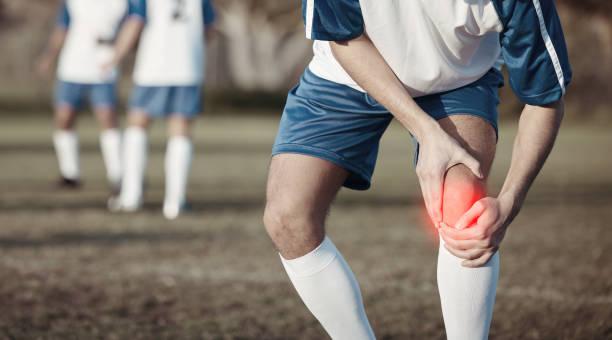
Injury and pain affect people from all walks of life. Whether the result of sport, work, or daily activity, they disrupt everything. Recovery is rarely straightforward without the right guidance and approach. Many people make common mistakes that slow healing significantly. Understanding proven recovery strategies helps restore function faster and more completely.
Understanding Why Injuries Heal Differently for Everyone
No two injuries are exactly alike, even when they share a diagnosis. Individual biology, fitness level, age, and lifestyle all influence healing speed. A 25-year-old athlete and a 60-year-old office worker heal very differently. The type and severity of tissue damage also determines recovery complexity. Personalizing recovery based on individual factors is essential for optimal outcomes.
Tissue type significantly influences how quickly healing can occur. Muscle tissue heals relatively quickly due to its rich blood supply. Tendons and ligaments heal far more slowly because of poor vascularity. Cartilage has almost no blood supply and heals extremely slowly. Understanding your specific tissue damage guides realistic timeline expectations throughout recovery.
The Importance of Professional Assessment After Injury
Self-diagnosing and self-treating injuries is a common and costly mistake. Without professional assessment, the true extent of damage remains unknown. Subtle injuries to ligaments, nerves, and joints are frequently missed. These hidden injuries worsen without appropriate treatment and intervention. A professional assessment is always the right first step after any injury.
Clinical assessment includes physical testing, movement analysis, and medical history review. Imaging studies like MRI and X-ray provide additional diagnostic information. However, clinical testing often reveals what imaging cannot show. A trained clinician interprets findings within the context of your specific situation. Accurate diagnosis is the non-negotiable foundation of effective injury recovery.
Proven Recovery Strategy One: Controlled Early Movement
Complete rest after injury was once universally recommended by healthcare providers. Modern science has significantly revised this approach with better evidence. Controlled early movement is now recognized as a superior recovery strategy. Gentle movement in the days following injury promotes healthy tissue healing. It maintains circulation, reduces swelling, and prevents harmful joint stiffness.
The key word is controlled. Movement must stay within pain-free or minimally painful ranges. Pushing through significant pain early in recovery is counterproductive and harmful. A healthcare professional determines appropriate movement thresholds for each patient. This careful calibration ensures movement benefits healing rather than worsening it.
Proven Recovery Strategy Two: Progressive Loading of Injured Tissue
Injured tissue needs progressively increasing mechanical load to heal fully. This principle, known as progressive loading, is central to rehabilitation science. Tissue that heals without loading remains weaker than the original structure. Appropriately loaded tissue remodels into a stronger, more resilient structure. The difference in outcomes between loaded and unloaded healing is substantial.
The physiotherapy treatment framework uses progressive loading as a core rehabilitation principle. Loading begins gently and increases systematically based on tissue response. Pain and function guide the pace of loading progression throughout recovery. Too much loading too soon risks re-injury and setback. Too little loading produces incomplete healing and ongoing weakness.
Proven Recovery Strategy Three: Manual Therapy for Pain and Mobility
Manual therapy is a cornerstone of evidence-based injury recovery. Skilled hands-on techniques directly address pain and movement restrictions. Joint mobilization restores normal mechanics to stiff, painful joints. Soft tissue massage reduces muscle tension and improves circulation to healing tissues. These techniques create immediate improvements in comfort and mobility.
Manual therapy also has neurological effects that reduce pain perception. Hands-on treatment activates mechanoreceptors that compete with pain signals. This gate-control mechanism provides significant relief from acute and chronic pain. The neurological benefits of manual therapy complement its physical effects. Patients who receive regular manual therapy recover faster and with less discomfort.
Proven Recovery Strategy Four: Targeted Strengthening Exercises
Strength rehabilitation is the engine of complete injury recovery. Targeted exercises rebuild the muscular support around injured structures. Stronger surrounding muscles absorb load and protect healing tissues. This protection allows injured structures to complete their healing process fully. Strengthening is always introduced progressively based on healing stages.
Exercise selection is highly specific in effective rehabilitation programs. General exercises are insufficient for addressing the specific deficits created by injury. A targeted approach identifies exactly which muscles need activation and strengthening. The exercises prescribed match the biomechanical demands of your daily activities. This specificity ensures rehabilitation restores truly functional strength and capacity.
Proven Recovery Strategy Five: Neuromuscular Retraining
Injuries disrupt the communication between muscles and the nervous system. This disruption, called neuromuscular inhibition, persists even after pain resolves. Inhibited muscles activate too slowly and too weakly during movement. This impaired activation increases re-injury risk and reduces performance. Neuromuscular retraining restores proper motor control and muscle activation timing.
Balance and proprioception training are central components of neuromuscular rehabilitation. Injured joints lose their ability to sense position accurately. This sensory deficit makes movement less safe and coordinated. Progressive balance exercises challenge and retrain the sensory system systematically. Restored proprioception is essential for confident, injury-resistant movement.
Proven Recovery Strategy Six: Education and Self-Management
Educated patients consistently recover faster than uninformed ones. Understanding your injury reduces fear and anxiety about movement. Fear avoidance is a significant barrier to recovery in many patients. When patients understand what is safe, they move with more confidence. This confidence accelerates both physical and psychological recovery.
Self-management skills empower patients to maintain progress independently. Understanding activity modification protects healing tissues during daily life. Knowing warning signs of overload prevents recovery setbacks at home. Home exercise program adherence is significantly better in educated patients. Education is one of the highest-value components of any recovery program.
Managing Chronic Pain Through Proven Rehabilitation Strategies
Chronic pain requires different management strategies than acute injury. The nervous system becomes sensitized in chronic pain conditions. This sensitization amplifies pain beyond what tissue damage alone explains. Addressing central sensitization requires specific therapeutic approaches. Physiotherapy uses pain neuroscience education alongside physical interventions for chronic pain.
Graded activity exposure is essential for chronic pain recovery. Patients gradually reintroduce feared movements in a controlled, supported environment. Each successful exposure reduces the fear and pain associated with that movement. Over time, pain thresholds normalize and functional capacity expands. This gradual desensitization is among the most effective chronic pain strategies available.
The Role of Sleep and Stress in Injury Recovery
Sleep is a profoundly undervalued component of injury healing. Deep sleep phases are when the body performs its most intensive tissue repair. Inadequate sleep slows healing and amplifies pain perception. Stress management also significantly influences recovery outcomes. Chronic stress elevates cortisol, which directly impairs tissue healing processes.
Patients who address sleep and stress alongside physical rehabilitation recover faster. Simple sleep hygiene strategies can dramatically improve recovery sleep quality. Breathing exercises and mindfulness practices reduce physiological stress responses. A comprehensive recovery approach always considers these lifestyle factors. Treating the whole person always produces better outcomes than treating only the injury.
Building Resilience to Prevent Future Injuries
The final phase of recovery focuses on preventing future problems. Vulnerability to re-injury remains elevated even after pain resolves. Structural and neuromuscular rehabilitation must be complete before full activity resumes. Return-to-activity testing confirms readiness through objective performance measures. Passing these tests significantly reduces the likelihood of re-injury.
Long-term injury resilience requires ongoing physical maintenance. Strength training, mobility work, and regular movement keep tissues healthy. Periodic reassessment by a healthcare professional identifies developing problems early. Prevention is always more efficient and less costly than treating new injuries. Investing in long-term resilience protects everything you have worked to recover.
Recovery from injury and pain is a complex but navigable journey. Proven strategies exist for every type and stage of injury recovery. Expert guidance transforms these strategies from general principles into personalized programs. Commitment to the recovery process produces outcomes that truly last. Trust proven rehabilitation science and reclaim the active life you deserve.

 Arabic
 French
 Spanish
 Portuguese
 Deutsch
 Turkish
 Dutch
Dutch
 Italiano
 Russian
 Romaian
 Portuguese (Brazil)
 Greek
Greek