

Top Health Risks During Hajj and How Vaccines Help Prevent Them
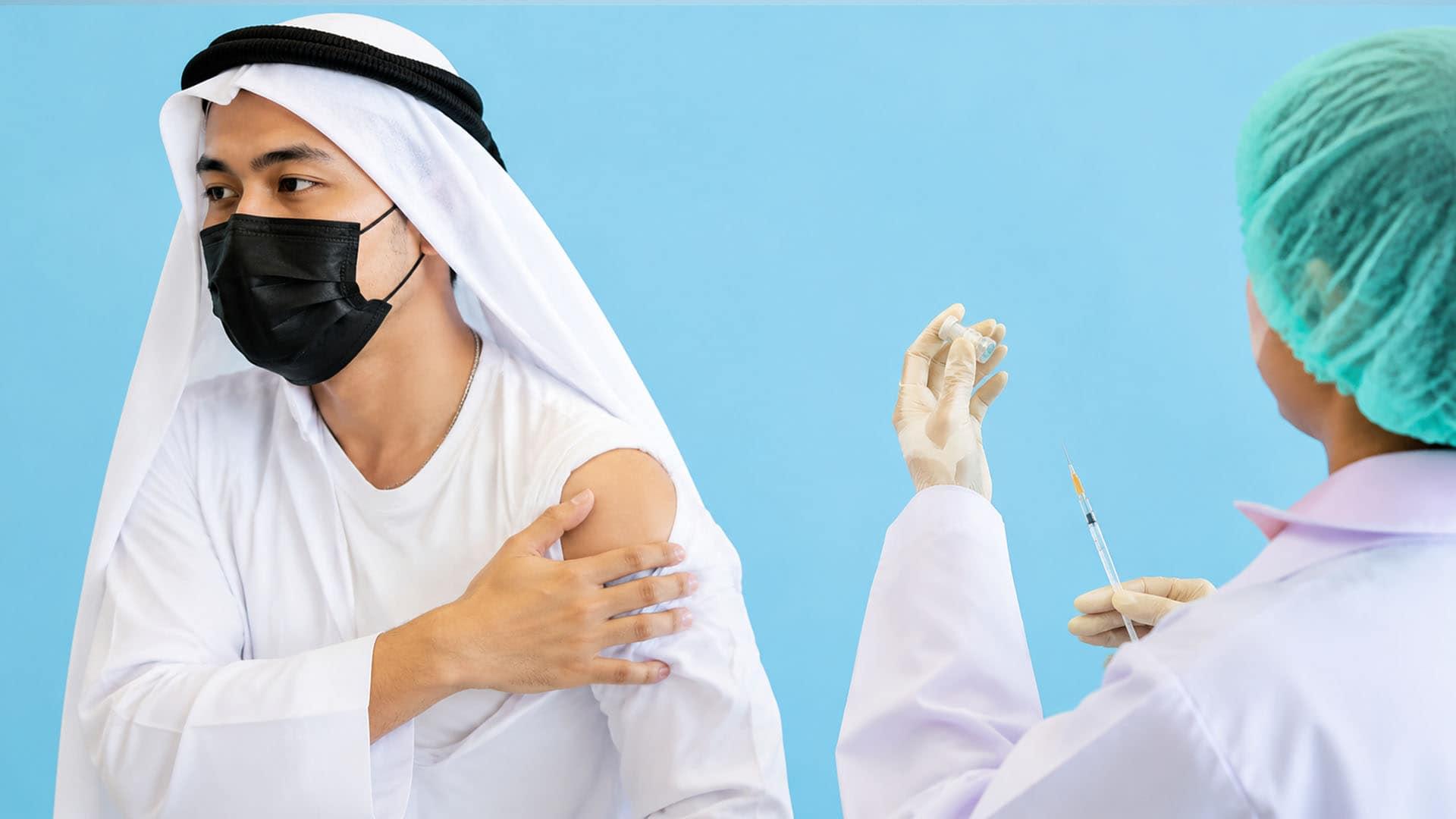
Every year, millions of Muslims from around the world travel to Saudi Arabia to perform Hajj, one of the most spiritually significant journeys in Islam. While the pilgrimage is deeply rewarding, it also presents certain health challenges due to overcrowding, extreme temperatures, and prolonged physical activity. Understanding the most common health risks during Hajj and taking preventive measures—especially vaccinations—can help pilgrims stay healthy and focus on worship.
Preparing early and arranging an umrah vaccination plan is one of the most effective ways to reduce health risks before travel.
Why Health Risks Increase During Hajj
Hajj gathers millions of people from different countries into one location over a short period. Pilgrims often spend long hours outdoors, walk considerable distances, and stay in crowded accommodation.
These conditions can increase exposure to infections, dehydration, and physical exhaustion. Since pilgrims come from various regions with different health standards, infectious diseases can spread more easily.
This is why health authorities strongly encourage vaccinations and preventive healthcare before travel.
Respiratory Infections: One of the Most Common Risks
Respiratory illnesses are among the most frequently reported health issues during Hajj. Close contact in crowded prayer areas, transport systems, and shared accommodation increases the risk of infections spreading through coughing and sneezing.
Common respiratory illnesses include:
-
Seasonal flu
-
Common cold
-
Pneumonia
-
COVID-19-related infections
Symptoms may include coughing, sore throat, fever, congestion, and breathing difficulties.
How Vaccines Help
The seasonal flu vaccine plays an important role in reducing the risk of influenza. It is especially recommended for elderly pilgrims, pregnant women, and individuals with underlying health conditions.
COVID-19 vaccinations or boosters may also be recommended depending on travel requirements and current health guidance.
Receiving the appropriate umrah vaccination before travel can significantly lower the chances of severe respiratory illness during pilgrimage.
Meningitis: A Serious Infection Risk
Meningitis is one of the most serious health concerns during Hajj due to the large crowds and close physical interaction among pilgrims.
This bacterial infection affects the protective membranes around the brain and spinal cord and can spread rapidly through coughing, sneezing, and close contact.
Symptoms may include:
-
High fever
-
Severe headache
-
Neck stiffness
-
Vomiting
-
Sensitivity to light
Without immediate treatment, meningitis can become life-threatening.
How Vaccines Help
Saudi Arabia requires pilgrims to receive the meningococcal ACWY vaccine before travel. This mandatory vaccine protects against four major strains of meningococcal disease.
Pilgrims typically need to receive the vaccine at least 10 days before arrival in Saudi Arabia.
The meningitis vaccine requirement has greatly reduced outbreaks associated with Hajj and continues to protect millions of travellers every year.
Heat Exhaustion and Heatstroke
Saudi Arabia’s climate can be extremely hot, particularly during peak pilgrimage seasons. Long walks, crowded conditions, and direct sun exposure can place pilgrims at risk of dehydration and heat-related illnesses.
Symptoms of heat exhaustion may include:
-
Dizziness
-
Fatigue
-
Excessive sweating
-
Muscle cramps
-
Headache
If untreated, heat exhaustion can progress into heatstroke, which is a medical emergency.
How Prevention Helps
Although no vaccine protects against heat exhaustion, good preparation is essential. Pilgrims should:
-
Drink plenty of water regularly
-
Wear lightweight and breathable clothing
-
Use umbrellas or shaded areas when possible
-
Avoid prolonged sun exposure during peak temperatures
Staying physically prepared before departure can make the pilgrimage safer and more comfortable.
Gastrointestinal Infections and Foodborne Illness
Changes in diet, food handling, and water sources can sometimes expose pilgrims to stomach infections.
Common issues include:
-
Food poisoning
-
Diarrhoea
-
Vomiting
-
Stomach cramps
Crowded food facilities and unfamiliar eating environments may increase risks if hygiene standards are not maintained.
How Vaccines Help
Hepatitis A vaccination may be recommended for pilgrims because the virus can spread through contaminated food and water.
Good hygiene habits also help reduce risks, including:
-
Washing hands frequently
-
Drinking safe bottled water
-
Avoiding poorly stored food
-
Eating from reliable food providers
Early health preparation and consultation can determine whether additional travel vaccines are necessary.
Pneumonia and Chest Infections
Older pilgrims and those with existing health conditions are more vulnerable to chest infections during Hajj.
Dust, crowding, fatigue, and respiratory viruses can contribute to breathing difficulties and lung-related illnesses.
How Vaccines Help
Healthcare providers may recommend pneumococcal vaccination for vulnerable travellers, particularly:
-
Older adults
-
Individuals with diabetes
-
People with heart or lung disease
-
Immunocompromised individuals
These vaccines can reduce the severity and likelihood of serious complications.
Fatigue and Physical Strain
Hajj involves extensive walking and physically demanding rituals. Pilgrims often spend long hours standing, moving between religious sites, and managing crowded environments.
Those with chronic illnesses, joint pain, or limited mobility may find the journey physically challenging.
How Preparation Helps
Preparing physically before travel can reduce strain. Light exercise, proper footwear, hydration, and regular rest can make the pilgrimage more manageable.
Pilgrims should also carry prescription medications and consult their doctor about existing health conditions before departure.
Why Early Vaccination Matters
Leaving vaccinations until the last minute may increase stress and create travel complications.
Many vaccines require time for immunity to develop properly. Some may also involve booster doses depending on your health history and travel duration.
Booking an appointment early allows enough time to receive required vaccinations and understand official travel requirements.
A trusted travel vaccine clinic in Birmingham can provide personalised guidance, required certificates, and professional advice for Hajj and Umrah travellers.
Final Thoughts
Hajj is a once-in-a-lifetime spiritual experience for many Muslims, but proper health preparation is essential for a safe journey. Crowded conditions, extreme temperatures, and international travel can increase exposure to infections and physical stress.
Vaccines play a major role in protecting pilgrims from preventable illnesses such as meningitis, influenza, hepatitis, and respiratory infections. Arranging your umrah vaccination early through a reputable travel vaccine clinic in Birmingham can help ensure peace of mind and allow you to focus fully on your spiritual journey.

 English
 Arabic
 French
 Spanish
 Portuguese
 Deutsch
 Turkish
 Italiano
 Russian
 Romaian
 Portuguese (Brazil)
 Greek
Greek