

What to Expect From ISO 17020 Third-Party Inspection Services
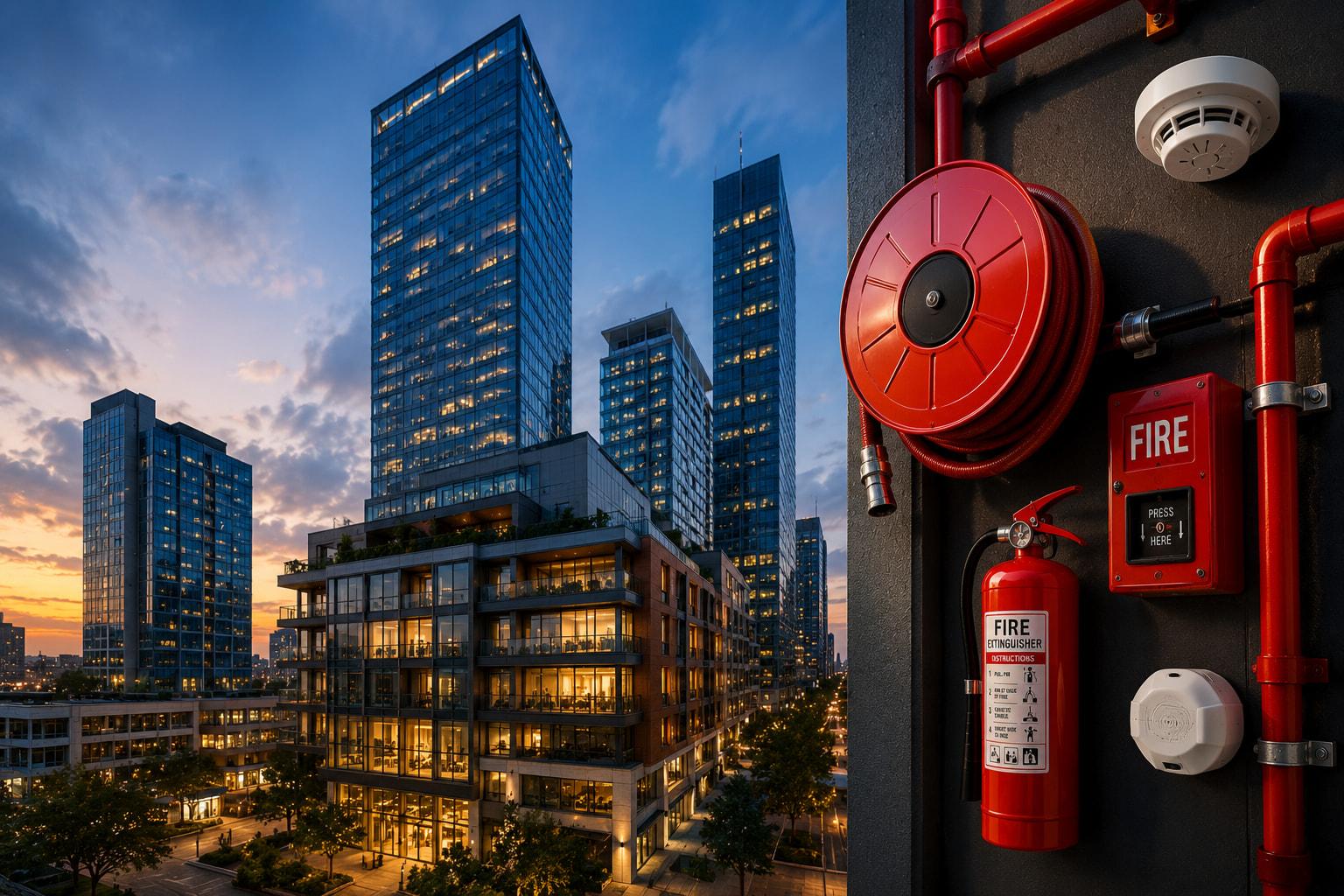
A fire-rated wall can look perfectly finished and still fail at its one job. ISO 17020 third-party inspection services exist because appearance and performance aren't the same thing, and someone independent needs to confirm the difference before a building is occupied.
What ISO 17020 Actually Accredits
ISO 17020 is the international standard that governs the competence and impartiality of inspection bodies, not the products or systems being inspected. An organisation accredited to ISO 17020 has been assessed on its methodology, its documentation practices, and its independence from the parties whose work it's checking. That last point matters most on a construction site, where the contractor who installed a system and the party confirming it was installed correctly should never be the same entity.
Where This Standard Shows Up in UAE Construction
The UAE Fire and Life Safety Code requires third-party inspection for passive fire protection, and ISO 17020 accreditation is the recognised way an inspection body proves it meets that bar. This applies directly to firestopping, fire-rated compartmentation, fire doors, and curtain wall perimeter containment, systems that are largely invisible once ceilings and finishes go in. An inspector working under ISO 17020 accreditation checks these systems against tested approvals, such as UL and FM listings, project specifications, and the code itself, and produces findings that are technically defensible if a regulator or insurer ever asks questions later.
What Sets an Accredited Inspection Apart
A site walk-through by someone without formal accreditation can still catch obvious problems, but it doesn't carry the same weight.
• Findings are based on documented, repeatable methodology rather than individual judgment alone
• The inspecting body is independent of the installing contractor, removing the conflict of interest
• Reports reference specific tested system data, not general opinion about whether something looks right
• Non-conformities are tracked and closed out, creating a paper trail for handover and future audits
The Role Fire Safety Consultants in UAE Play in the Process
Inspection doesn't happen in isolation from design. Fire safety consultants in UAE typically set the compartmentation strategy and specify which systems require third-party verification, then coordinate the inspection schedule so it lines up with construction sequencing rather than happening after walls are already closed up. When a consultancy holds both design expertise and ISO 17020 accreditation for inspection, project teams get consistency between what was specified and what is checked, which reduces disputes over whether a deviation on site actually matters.
Getting the Most Out of Third-Party Inspection
Owners and contractors sometimes treat inspection as a box to tick near handover. That approach tends to backfire, since fixing a firestop after the ceiling is closed costs far more than catching it during rough-in.
• Schedule inspections at each construction stage where penetrations are accessible, not just at the end
• Request inspection reports that reference the specific tested system used, not a generic pass or fail
• Keep inspection records with the building's operations and maintenance documentation for future renovations
Conclusion
ISO 17020 third-party inspection services give owners, regulators, and insurers a way to trust that passive fire protection will actually perform the way it was designed to, not just the way it looks on handover day. Pairing that accreditation with experienced fire safety consultants in UAE means the verification process is built into the project from the start rather than bolted on at the end. Before your next inspection is due, it's worth checking that whoever is signing off holds current ISO 17020 accreditation for the specific scope you need.
FAQs
1. Is ISO 17020 accreditation the same as a UL or FM listing?
No. UL and FM listings apply to specific tested products and systems. ISO 17020 accredits the inspection body itself, confirming it has the competence and independence to verify that those listed systems were installed correctly.
2. Can the same company design and inspect the same fire system?
Generally, no, at least not the same individuals on the same scope. Independence is a core requirement of ISO 17020, so credible third-party inspection needs separation between the design or installation team and the inspection team.
3. What happens if an inspector finds a non-conformity?
It becomes an official record in a written report, where the problem is to be rectified by the contractor. The inspector comes back to check whether the problem has been resolved.
4. Why does third-party inspection matter for insurers?
The insurance companies usually depend upon written evidence for estimating the risk. It is easier for the insurance company to write a policy for a building which has the documentation of ISO 17020 inspection of the passive fire systems.

 English
 Arabic
 French
 Spanish
 Portuguese
 Turkish
 Dutch
Dutch
 Italiano
 Russian
 Romaian
 Portuguese (Brazil)
 Greek
Greek