

Mini Split Ductless: Everything Homeowners Need to Know Before Buying
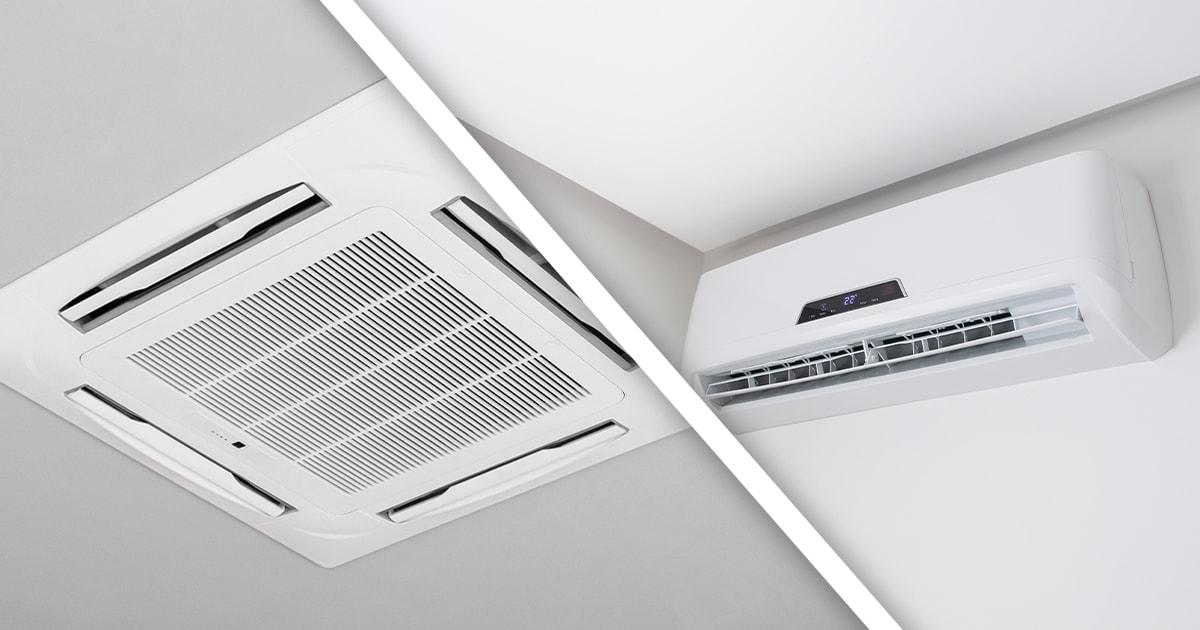
A mini split ductless system is an air conditioning and heating solution that connects an outdoor compressor unit directly to one or more indoor air handlers without the need for ductwork. Operating through a refrigerant cycle and controlled by wireless remote or smart app, it offers precise zone-by-zone climate management, significantly lower energy consumption, and flexible installation that works in nearly any residential or light commercial space.
Why Mini Split Ductless Systems Are Redefining Home Comfort
Walk through virtually any neighborhood of newly constructed or recently renovated homes, and you will notice a recurring pattern on exterior walls: compact white or silver boxes mounted just above ground level, connected by slim conduits disappearing through the wall. These are the outdoor condensers of mini split ductless systems, and their growing presence is a visual testament to a fundamental shift in how homeowners approach climate control.
The traditional HVAC model — a central furnace or air handler connected to a sprawling network of ducts — made sense in an era when energy was inexpensive and homes were built with relatively uniform layouts. Today, homes are more diverse in structure, energy costs continue to rise, and the expectation of personalized comfort has never been higher. Ductless mini split systems are purpose-built to meet all of these evolving demands, offering capabilities that central systems simply cannot replicate.
Understanding the Core Technology Behind Ductless Mini Splits
How the Refrigerant Cycle Powers Your Comfort
Every mini split ductless system operates on the same fundamental principle: the movement of heat energy from one location to another using a compressed refrigerant. This is not a new concept — refrigerators and window air conditioners work the same way — but mini splits apply it with a level of precision and efficiency that older systems never achieved.
In cooling mode, the indoor air handler draws warm room air across a cold evaporator coil filled with low-pressure refrigerant. As the refrigerant absorbs heat from the air, it evaporates and travels as a gas through the refrigerant line to the outdoor unit. The outdoor compressor pressurizes the gas, raising its temperature further, and the condenser coil releases all of that accumulated heat into the exterior air. The refrigerant then cools back down, passes through an expansion valve, and returns to the indoor coil to begin the cycle again.
In heating mode, the process reverses. The outdoor coil now absorbs ambient heat energy from the outside air — even when temperatures are well below freezing in modern cold-climate systems — and the indoor coil releases that warmth into your living space. This heat-transfer approach is fundamentally more efficient than generating heat through combustion or electrical resistance, which is why mini splits consistently outperform gas furnaces and electric baseboards in head-to-head efficiency comparisons.
Inverter Technology: The Engine of Efficiency
What separates contemporary ductless mini splits from earlier heat pump designs is the widespread adoption of variable-speed inverter compressor technology. In a conventional fixed-speed compressor, the system is either fully on or fully off. It runs at 100 percent capacity until the set temperature is reached, then shuts down entirely, then cycles back on when the temperature drifts again. This on-off cycling wastes energy at each startup and creates temperature swings that reduce comfort.
An inverter-driven compressor operates more like a car accelerator than an on-off switch. It ramps up to full power when a room is far from its target temperature, then gradually reduces output as the temperature approaches the set point, settling into a low-speed maintenance mode that keeps the room precisely at the desired level without ever fully shutting off. The result is remarkably stable temperatures, dramatically lower electricity consumption, and a longer compressor lifespan because the component is never subjected to the stress of repeated hard starts.
The Most Compelling Reasons to Switch to a Ductless System
No Ductwork Means No Duct Losses
Ducts are, in engineering terms, a deeply inefficient way to distribute conditioned air. They pass through unconditioned spaces like attics and crawlspaces, where they lose or gain thermal energy depending on the season. They develop leaks at joints and connections over time, allowing conditioned air to escape before it reaches the intended living space. They accumulate dust, debris, mold, and allergens that get redistributed throughout the home every time the system runs.
The U.S. Department of Energy has estimated that typical duct systems lose 25 to 40 percent of the energy used to condition air before that air ever reaches the room it was meant to serve. By eliminating ducts entirely, a ductless mini split system recovers all of that lost energy, delivering every unit of electricity consumed directly to the space being conditioned. For homeowners paying significant monthly utility bills, this efficiency gain translates to meaningful dollar savings that compound year after year.
Exceptional Flexibility for Any Living Space
One of the most frequent challenges homeowners face when trying to improve comfort in specific areas of their homes is the difficulty of extending existing duct systems. Adding a room above a garage, finishing a basement, converting an attic to living space, or building a sunroom addition all present the same problem: the existing HVAC system either cannot serve the new space at all, or doing so would require expensive, disruptive ductwork modifications.
A ductless mini split solves this problem elegantly. Because it requires only a small hole in the wall for the conduit, it can be installed in virtually any space without structural modifications. An outdoor unit placed on the side of the building and an indoor unit mounted on the wall of the new space can be fully operational within a day, providing the same level of climate control available in the rest of the home without touching the existing HVAC infrastructure.
Smart Controls and Advanced Features
Modern ductless systems are increasingly sophisticated in their control interfaces. Most premium models come with wireless remote controls that adjust temperature, fan speed, operating mode, and timer settings. Many also integrate with dedicated smartphone apps that allow remote adjustment from anywhere with an internet connection. Some systems incorporate Wi-Fi modules that work with voice assistants and smart home platforms, enabling full automation based on occupancy schedules, weather data, or personal preferences.
Additional features found in higher-end ductless systems include auto-cleaning evaporator coils that prevent mold and bacterial buildup, motion-sensing occupancy detection that adjusts output when a room is empty, dry mode operation for humid climates, and follow-me comfort sensing that directs airflow based on the location of the remote control within the room.
Selecting the Ideal Mini Split Ductless System for Your Needs
Capacity, Coverage, and Sizing Calculations
Proper sizing is non-negotiable for a ductless system to perform as intended. The capacity of a mini split is rated in British Thermal Units per hour (BTU/h), and choosing the correct BTU rating for your space determines whether the system will maintain comfortable temperatures efficiently or struggle to keep up while consuming excessive electricity.
The standard starting point for sizing is approximately 20 BTU per square foot of living space. This figure assumes average ceiling heights of eight to nine feet, moderate insulation, and a temperate climate. Rooms with high ceilings, large windows, poor insulation, or exposure to direct afternoon sun will require upward adjustments, while heavily shaded, well-insulated spaces may be adequately served by a slightly smaller unit. Many HVAC professionals use a Manual J load calculation — a detailed analysis that accounts for all of these variables — to arrive at the precise capacity recommendation for a given installation.
Available capacity ranges typically span from 6,000 BTU mini-compact units suited for small bedrooms or offices all the way to 36,000 BTU units capable of serving large open living areas. Multi-zone systems, which connect a single outdoor condenser to multiple indoor handlers, allow homeowners to precisely match the cooling and heating capacity delivered to each room based on that room's individual load requirements.
Types of Indoor Air Handlers
While the wall-mounted air handler is by far the most popular indoor unit configuration in residential applications, ductless technology is not limited to a single format. Ceiling cassette units distribute air in four directions simultaneously from a flush-mounted ceiling panel, making them ideal for rooms where wall mounting is impractical or aesthetically undesirable. Floor-mounted units sit low on the wall like a traditional radiator and are particularly effective in rooms with tall glass walls or in applications where heated air needs to rise from floor level.
Concealed duct mini split handlers represent a hybrid solution that sits between fully ductless and fully ducted systems. The main air handler is hidden in a ceiling cavity, and very short duct runs distribute air through two or three ceiling registers. This approach preserves the efficiency advantages of a mini split compressor and refrigerant system while allowing air distribution through a more traditional ceiling-register format that some homeowners prefer aesthetically.
Comparing Energy Efficiency Ratings
Shopping for a ductless system without paying attention to efficiency ratings is the equivalent of buying a car without looking at its fuel economy figures. The two key ratings to compare are the SEER (Seasonal Energy Efficiency Ratio), which measures cooling efficiency across a representative season, and the HSPF (Heating Seasonal Performance Factor), which evaluates heating efficiency.
Federal minimum standards require new residential mini splits to achieve a SEER rating of at least 15 and an HSPF of at least 8.8 in most regions. Qualifying for the ENERGY STAR label requires somewhat higher thresholds, and premium systems on the market today reach SEER ratings of 25 or above and HSPF ratings of 12 or higher. In regions with long, hot summers or cold winters, paying the modest premium for a high-efficiency unit almost always delivers a positive return through lower utility bills over the system's life.
Installation Deep Dive: From Unboxing to Operation
Site Selection and Pre-Installation Planning
A successful mini split installation begins long before any tools come out. Selecting the right locations for both the indoor and outdoor units is a critical planning step that affects performance, aesthetics, drain efficiency, and ease of maintenance.
The indoor air handler should be positioned on a wall that allows unobstructed air distribution across the room, ideally on an exterior wall to minimize the length of the conduit run. The unit should be mounted at least six inches from the ceiling and in a location that keeps the airflow pattern away from thermally sensitive areas like bedside sleeping zones or directly above workstations. The outdoor condenser should be positioned on a stable surface with at least 12 to 18 inches of clearance around its air intake and discharge sides, away from direct sunlight where possible, and far enough from windows and doors that operating noise does not become a nuisance.
The Installation Process Step by Step
Once mounting locations are confirmed, the process moves quickly. The indoor wall bracket is secured to wall studs using the provided hardware, and a core hole — typically three inches in diameter — is drilled through the wall at a slight downward angle toward the outside to facilitate condensate drainage. The indoor unit's conduit bundle, containing refrigerant lines, a drain hose, and electrical cables, is passed through this hole to the exterior.
The outdoor unit is secured to its mounting surface and the refrigerant lines are connected to the unit's service ports. In pre-charged systems designed for DIY installation, these connections are the critical moment: the line set connections must be tightened to the manufacturer's torque specifications to ensure a leak-free seal. After all connections are made and inspected, the circuit breaker is engaged and the system is powered through its startup sequence. Initial operation testing across cooling, heating, fan-only, and dehumidification modes confirms that all components are functioning correctly.
Electrical Requirements and Panel Considerations
Every mini split ductless system requires a dedicated electrical circuit sized to the unit's amperage draw. Most residential single-zone systems between 9,000 and 24,000 BTU operate on 208 to 240-volt power and require a 15- to 30-amp dedicated circuit breaker. Larger systems and multi-zone condensers may require 40- or 50-amp circuits. Before purchasing a system, confirm that your electrical panel has the capacity to add a new dedicated circuit without overloading the panel, and budget for an electrician if you are not comfortable performing electrical work yourself.
Maintenance Schedule for Maximum Lifespan
Monthly and Seasonal Tasks
The maintenance demands of a mini split ductless system are genuinely modest compared to central HVAC systems, but ignoring them entirely will shorten the system's lifespan and degrade its efficiency. The most important monthly task is filter inspection and cleaning during periods of heavy use. The filters in most wall-mounted handlers slide out easily, can be vacuumed or rinsed clean under running water, and should be fully dry before reinsertion.
At the beginning of each cooling and heating season, a more thorough check is worthwhile. Clean the outdoor condenser coils with a gentle coil cleaner spray and rinse, remove any debris that has accumulated around the outdoor unit, and check that the condensate drain line from the indoor unit is draining properly. Blocked drain lines are one of the most common causes of water damage from mini split systems, and they are easily prevented with a quick inspection.
Professional Annual Servicing
While much of a mini split's maintenance can be handled by the homeowner, scheduling an annual visit from a qualified HVAC technician provides an additional layer of protection. A technician will check refrigerant pressure to detect any slow leaks before they become significant performance problems, inspect electrical connections for corrosion or loose contacts, lubricate any moving parts that require it, and run a full diagnostic cycle to ensure all operating modes are performing within specification.
Total Cost of Ownership Analysis
The financial case for installing a ductless mini split becomes clearer when you move beyond the upfront purchase price and consider the full cost of ownership over the system's lifespan. Equipment costs for a quality single-zone system start at approximately $700 to $1,500 for the hardware. DIY installation adds minimal additional cost beyond tools, mounting hardware, and the dedicated circuit. Professional installation adds $1,500 to $3,000 depending on region and installation complexity.
Against these costs, a homeowner replacing an electric baseboard or window AC system with a high-efficiency mini split can realistically expect to save $500 to $1,200 per year in energy costs depending on local electricity rates and hours of use. This puts the simple payback period for most installations between two and five years, after which the system continues delivering savings for another decade or more.
Frequently Asked Questions
How loud is a ductless mini split during operation? Indoor air handlers in mini split systems typically operate between 19 and 38 decibels at normal settings, which is roughly comparable to a whispered conversation or quiet library. The outdoor condenser is somewhat louder, typically between 50 and 60 decibels at full output, but because it is located outside, it rarely creates a noise concern inside the home. Overall, mini splits are significantly quieter than window AC units or forced-air systems.
Can I install a ductless mini split myself without HVAC experience? Yes, with a pre-charged DIY-friendly system, a homeowner with general handyman skills, comfort with basic electrical work, and the ability to follow detailed instructions can complete a single-zone installation. The critical steps are mounting both units securely, making leak-free refrigerant line connections, routing the drain properly, and wiring the system to a dedicated circuit. When in doubt about electrical work, hire a licensed electrician for that specific portion of the job.
What happens to a mini split when the power goes out? Mini split ductless systems require electricity to operate and will not function during a power outage. If you live in an area with frequent outages and need backup climate control, you would need a generator capable of supplying adequate wattage to run the system. Some homeowners in outage-prone areas pair their mini split with a whole-house generator or a dedicated standby generator for this reason.
Are there tax credits available for installing a ductless mini split? Federal tax credits for energy-efficient home improvements have historically been available for qualifying heat pump systems meeting minimum efficiency thresholds. The availability, amount, and eligibility criteria of these credits can change based on current legislation, so it is advisable to consult a tax professional or review the current IRS guidance and ENERGY STAR eligibility requirements before and after making your purchase to understand what credits may apply to your specific installation.
How do I know if my home's insulation is adequate to get the most from a mini split? A mini split will function regardless of insulation quality, but poorly insulated spaces will require the system to work harder to maintain target temperatures, reducing efficiency and increasing operating costs. Before investing in a mini split for a space with known insulation deficiencies, it is worth having an energy audit conducted. Addressing insulation gaps first can reduce the required system capacity, lower operating costs, and improve comfort more dramatically than the mini split installation alone.

 English
 Arabic
 French
 Spanish
 Portuguese
 Deutsch
 Turkish
 Italiano
 Russian
 Romaian
 Portuguese (Brazil)
 Greek
Greek