

Narcolepsy vs. Chronic Sleep Deprivation: How to Tell the Difference
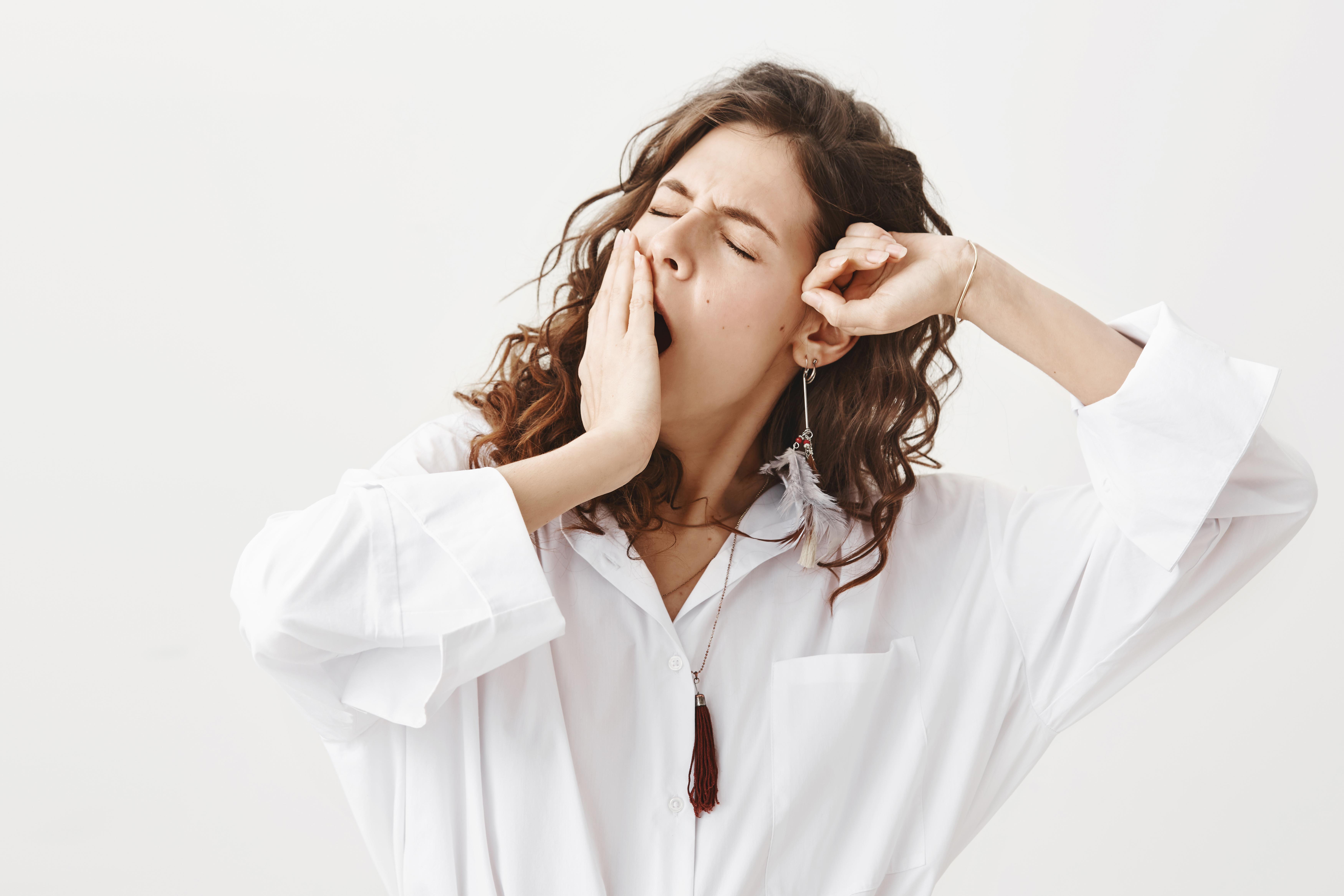
Have you ever wondered why you feel overwhelmingly sleepy even after what you think is enough rest? Sleepiness can come from many causes but not all of them have the same implications for health. Estimates suggest that about 1 in every 2,000 people has narcolepsy, a chronic sleep disorder that affects the ability to regulate sleep wake cycles. In contrast, chronic sleep deprivation is far more common and affects millions of people worldwide due to lifestyle work hours and other factors.
Understanding the differences between narcolepsy and chronic sleep deprivation can help individuals seek appropriate evaluation and treatment. This article compares symptoms causes diagnosis and management of narcolepsy and chronic sleep deprivation so you can better understand what might be behind your sleepiness.
What Is Narcolepsy?
Narcolepsy is a neurological sleep disorder characterized by excessive daytime sleepiness and sudden sleep attacks that occur at inappropriate times. The underlying cause of narcolepsy involves dysfunction in the brain chemicals that regulate sleep and wakefulness. Research has shown that most people with narcolepsy have low levels of hypocretin a neurotransmitter that helps keep people awake and regulate transitions between sleep and wake states.
People with narcolepsy often experience sudden episodes of overwhelming sleepiness that can occur during activities such as eating working or driving. Another hallmark symptom of narcolepsy is cataplexy a sudden loss of muscle tone triggered by strong emotions. Other common features of narcolepsy include sleep paralysis and vivid dream like hallucinations at sleep onset or upon awakening. Because symptoms can overlap with other conditions narcolepsy is often underdiagnosed or mistaken for simple sleep deprivation.
What Is Chronic Sleep Deprivation
Chronic sleep deprivation refers to a consistent lack of sufficient sleep over time. It is not a disorder in the same sense as narcolepsy but rather a state caused by insufficient sleep quantity or poor quality sleep. Adults are generally advised to sleep between seven and nine hours per night for optimal health. When someone regularly gets less sleep than they need they develop chronic sleep deprivation.
The causes of chronic sleep deprivation include lifestyle demands, long work shifts caregiving responsibilities stress and environmental disruptions. Unlike narcolepsy chronic sleep deprivation does not stem from a fundamental neurological malfunction but from behavioral, social, or environmental factors. Over time lack of adequate sleep impairs cognitive performance mood immune function and metabolic health.
While occasional nights of poor sleep can be recovered with rest, ongoing sleep restriction leads to a cumulative sleep debt. People with chronic sleep deprivation may find themselves nodding off during the day but typically do not experience the same sudden and uncontrollable sleep attacks seen in narcolepsy.
Common Symptoms and How They Differ
Sleepiness is a core symptom of both narcolepsy and chronic sleep deprivation but how it presents and the associated features can differ significantly. People with narcolepsy experience excessive daytime sleepiness that is not resolved by typical amounts of sleep. Episodes can be sudden intense and may occur even after a full night of rest. In contrast individuals with chronic sleep deprivation feel drowsy because they are not getting enough sleep. Their sleepiness usually improves when they catch up on rest.
Cataplexy is one of the most distinguishing features of narcolepsy. It presents as a sudden loss of muscle tone in response to emotions such as laughter or surprise. This symptom does not occur in chronic sleep deprivation. Other narcolepsy specific symptoms include sleep paralysis and hypnagogic hallucinations which are dream like experiences at the edges of sleep and wakefulness.
Chronic sleep deprivation symptoms are more related to sleep debt and include difficulty concentrating irritability reduced reaction time and impaired memory. People with chronic sleep deprivation may doze off in quiet environments but typically do not fall asleep suddenly in the middle of complex tasks as someone with narcolepsy might.
How Narcolepsy and Sleep Deprivation Are Diagnosed
Diagnosing narcolepsy involves careful clinical evaluation and sleep studies. A sleep specialist will take a detailed history of symptoms including daytime sleepiness cataplexy episodes sleep paralysis and hallucinations. Objective tests such as the multiple sleep latency test and polysomnography are used to assess sleep onset, rapid eye movement sleep patterns and how quickly someone falls asleep during structured nap opportunities. Measurement of hypocretin levels in cerebrospinal fluid may also aid in diagnosis when available.
Chronic sleep deprivation is typically recognized based on a pattern of insufficient sleep over time and an improvement in symptoms when adequate sleep is achieved. A clinician will assess sleep habits, duration and quality using sleep diaries or wearable sleep trackers. Actigraphy, where a wearable device measures sleep and wake cycles over days or weeks, can also help quantify sleep patterns. Diagnosis of chronic sleep deprivation focuses more on lifestyle factors and behavioral patterns rather than underlying neurological abnormalities.
Treatment Approaches for Narcolepsy and Sleep Deprivation
Treatment for narcolepsy and chronic sleep deprivation differ because the underlying causes are distinct. Narcolepsy management often involves a combination of medications and lifestyle modifications. Medications to promote wakefulness and regulate sleep patterns are commonly used and may include stimulants or agents that affect specific neurotransmitters. Behavioral strategies in narcolepsy include scheduled naps, consistent sleep routines and avoidance of alcohol and sedating medications.
Treating chronic sleep deprivation emphasizes improving sleep habits and addressing causes of insufficient sleep. Good sleep hygiene practices such as maintaining regular sleep and wake times, creating a dark quiet sleep environment and limiting caffeine and screens before bedtime can improve sleep duration and quality. Behavioral interventions such as cognitive behavioral therapy for insomnia may also be beneficial. In many cases simply ensuring consistent adequate sleep is enough to resolve the symptoms associated with chronic sleep deprivation.
Long Term Outcomes and Health Risks
Both narcolepsy and chronic sleep deprivation carry potential long term health risks but the nature of these risks differs. Narcolepsy is a lifelong condition that can have a significant impact on daily functioning, work performance and emotional well being if not managed properly. People with narcolepsy are also at higher risk for obesity and metabolic disorders. Social challenges due to unpredictable symptoms can affect quality of life.
Chronic sleep deprivation is associated with increased risk of cardiovascular disease, diabetes, obesity, impaired immune function and mental health disorders such as anxiety and depression. The cumulative impact of inadequate sleep can affect every major system in the body. Unlike narcolepsy, chronic sleep deprivation is often reversible when sufficient sleep is restored but long standing sleep debt can have lasting consequences if unaddressed.
Conclusion
Distinguishing between narcolepsy and chronic sleep deprivation is important for appropriate clinical care and improved outcomes. While both conditions involve excessive sleepiness, the causes symptoms and diagnostic pathways differ significantly. Narcolepsy is a neurological disorder with characteristic features such as cataplexy and disrupted sleep wake regulation, while chronic sleep deprivation is primarily a result of insufficient sleep due to lifestyle or environmental factors. Accurate diagnosis leads to targeted treatment strategies that can improve daytime functioning and quality of life. Individuals experiencing persistent daytime sleepiness, sudden sleep episodes or unusual sleep phenomena should consult a sleep specialist for thorough evaluation and personalized care.

 English
 Arabic
 French
 Spanish
 Deutsch
 Turkish
 Dutch
Dutch
 Italiano
 Russian
 Romaian
 Portuguese (Brazil)
 Greek
Greek