

The Future of Non-Invasive Bone Health Solutions
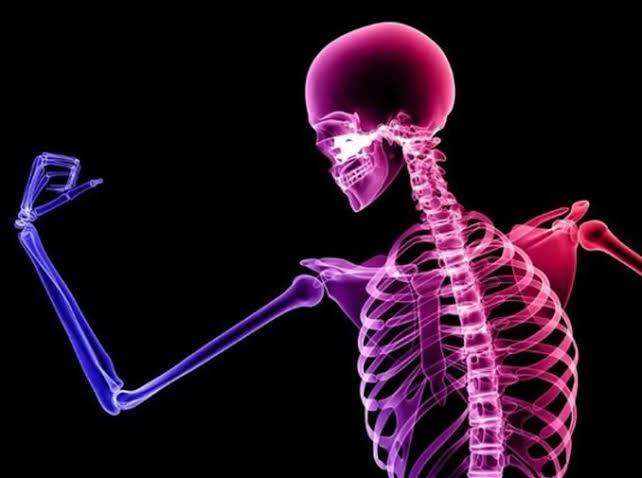
Bone health is becoming a central focus in modern preventive medicine. For decades, treatment options were limited mainly to medication. Many of these medications carry significant long-term risks. Patients and doctors alike are now seeking safer alternatives. Non-invasive technology is reshaping how bone care is delivered. This shift reflects broader trends across the healthcare industry. People want solutions that fit into daily life easily. They also want options with minimal side effects. This article explores where non-invasive bone health solutions are heading next.
Why Non-Invasive Approaches Are Gaining Momentum
Pharmaceutical treatments for bone loss have well-documented limitations. Bisphosphonates can cause gastrointestinal discomfort in some patients. Long-term use has also been linked to rare jaw complications. Hormone therapy carries cardiovascular and cancer-related risks for some women. These concerns have pushed both patients and clinicians toward alternatives. Non-invasive technology offers a different path forward entirely. It works with the body's natural processes instead of overriding them. This approach appeals to people seeking gentler, sustainable solutions. As awareness grows, demand for these options continues rising steadily. Healthcare systems are beginning to recognize this shift as well.
The Shift Toward Preventive, At-Home Healthcare
Healthcare is moving away from purely reactive treatment models. Prevention is now recognized as more effective than late intervention. At-home health technology supports this preventive shift directly. Patients can monitor and manage conditions without constant clinic visits. This convenience increases the likelihood of consistent daily engagement. Consistency is critical for any bone health intervention to work. Devices that integrate easily into daily routines see higher adherence. Higher adherence translates directly into better long-term health outcomes. The convergence of convenience and effectiveness is driving this entire category forward. Bone health technology is a clear example of this broader trend.
The Science Powering Non-Invasive Bone Technology
Mechanical stimulation is at the core of most non-invasive bone solutions. Bones respond to physical forces through a process called mechanotransduction. This means cells convert mechanical signals into biological responses. Low-magnitude vibration is one well-researched form of this stimulation. It activates bone-forming cells called osteoblasts effectively. Research shows this activation can shift the remodeling balance. The result is a reduction in net bone density loss. Some studies even show modest increases in bone mineral density. This biological pathway does not require drugs or injections. It simply works by giving bones the signals they need.
How Research Has Evolved Over Time
Early research into mechanical bone stimulation began decades ago. Initial studies focused on astronauts experiencing bone loss in space. Researchers needed solutions for microgravity-related bone density decline. This research laid the groundwork for clinical applications on Earth. Over time, studies expanded to include post-menopausal women. Results consistently showed positive effects on spine and hip density. Larger trials followed, strengthening the overall evidence base significantly. Today, this research informs the design of modern devices. The scientific foundation is far stronger than many people realize. This evolution reflects decades of careful, incremental scientific progress.
Current Applications of Non-Invasive Bone Technology
Today's non-invasive bone technology is primarily delivered through home devices. These devices are compact, quiet, and simple to operate. Most require only ten minutes of use per day. Users typically stand or sit on a vibrating platform. The device delivers consistent, low-intensity mechanical stimulation throughout the session. This stimulation targets weight-bearing bones like the hips and spine. Many users incorporate sessions into their morning or evening routines. The simplicity of use supports long-term consistency for most people. Clinics and physiotherapy practices also use similar technology. However, home-based versions have expanded access significantly in recent years.
Who Is Likely to Benefit From These Innovations
Post-menopausal women remain the largest group benefiting from this technology. Their rapid bone density decline makes intervention especially valuable. Older men experiencing age-related bone loss also benefit significantly. Individuals with osteopenia can use these tools preventively and proactively. Those already diagnosed with osteoporosis often use them as a complement. People recovering from fractures may use them to support healing. Sedentary individuals who cannot exercise regularly gain particular value. Even younger adults focused on long-term prevention are showing interest. This broad applicability is part of what makes the category compelling. Few interventions serve such a wide range of patient profiles.
The Role of Data and Personalization in Future Devices
Personalization is becoming a defining theme across all healthcare technology. Bone health devices are no exception to this trend. Future devices may adjust vibration parameters based on user data. This could include bone density scores or activity levels. Some prototypes already track session frequency and duration automatically. This data can be shared with healthcare providers for review. Personalized feedback could help users stay motivated over time. It could also help clinicians fine-tune treatment recommendations. Data-driven personalization represents a major leap beyond static devices. The next generation of bone technology will likely be far more responsive.
Integration With Wearable Health Ecosystems
Wearable technology has already transformed fitness and cardiac monitoring. Bone health devices are beginning to follow a similar path. Future devices may sync with smartphone health applications. This would allow users to view long-term trends easily. Integration with broader health ecosystems adds meaningful context. For example, activity levels could be paired with bone stimulation data. This combined view offers a more complete health picture. Healthcare providers could access this information remotely as well. Remote access supports more proactive, ongoing patient management. This integration is a natural next step for the entire category.
Lifestyle Factors That Complement Non-Invasive Bone Technology
Technology alone cannot fully replace foundational lifestyle habits. Nutrition remains essential for supporting bone density improvements. Calcium and vitamin D are particularly important nutrients here. Weight-bearing exercise also contributes meaningfully to bone strength. Walking, light resistance training, and stretching all play supportive roles. Avoiding smoking helps preserve bone-forming cell activity over time. Limiting alcohol intake protects long-term bone density as well. When combined with technology, these habits create a stronger foundation. This combined approach reflects how most effective health strategies work. No single tool works in complete isolation from lifestyle factors.
Accessibility and Affordability Trends Going Forward
Accessibility remains an important consideration for emerging health technologies. Early devices in any category tend to be expensive initially. As manufacturing scales, costs typically decrease over time. This pattern is already visible in the bone technology space. More affordable options are gradually entering the market. Insurance coverage discussions are also beginning in some regions. Wider coverage would significantly expand access for many patients. Online availability has already made purchasing more convenient overall. Educational content helps consumers understand the value proposition clearly. As affordability improves, adoption is likely to accelerate further.
Example of a Modern Non-Invasive Bone Health Device
Among the devices reflecting these trends is the osteoboost device, which uses low-magnitude vibration technology. It is designed for daily home use with minimal setup required. Its design reflects the research-backed principles discussed throughout this article. Users appreciate its simplicity and integration into daily routines. It represents a practical example of where this category currently stands. As the field evolves, similar tools are likely to incorporate further innovations. For now, it offers a tangible illustration of non-invasive bone support in action.
What the Next Decade Might Look Like
The next decade will likely bring more refined and adaptive devices. Artificial intelligence may play a growing role in personalization. Smaller, more portable designs could increase convenience further. Telehealth integration may become standard rather than optional. Insurance and healthcare systems may formally recognize these tools. Research will likely continue expanding into new patient populations. Combination therapies pairing technology with nutrition apps may emerge. Education campaigns will help more people understand bone health risks early. All of these trends point toward greater accessibility and effectiveness. The overall trajectory suggests a more proactive approach to bone health.
Conclusion
Non-invasive bone health solutions represent a meaningful shift in care. They offer safety, convenience, and a growing body of supporting evidence. Their accessibility continues to improve as technology and markets mature. When combined with healthy lifestyle habits, their value increases further. The future points toward more personalized, connected, and accessible tools. For many people, these solutions offer a practical path toward stronger bones. As research and technology continue advancing, this category will likely grow significantly. Bone health is finally receiving the proactive attention it deserves.

 Arabic
 French
 Spanish
 Portuguese
 Deutsch
 Turkish
 Dutch
Dutch
 Italiano
 Russian
 Romaian
 Portuguese (Brazil)
 Greek
Greek