

How Ultrasound Services Are Expanding Beyond Hospitals: The Rise of Point-of-Care and Mobile Imaging
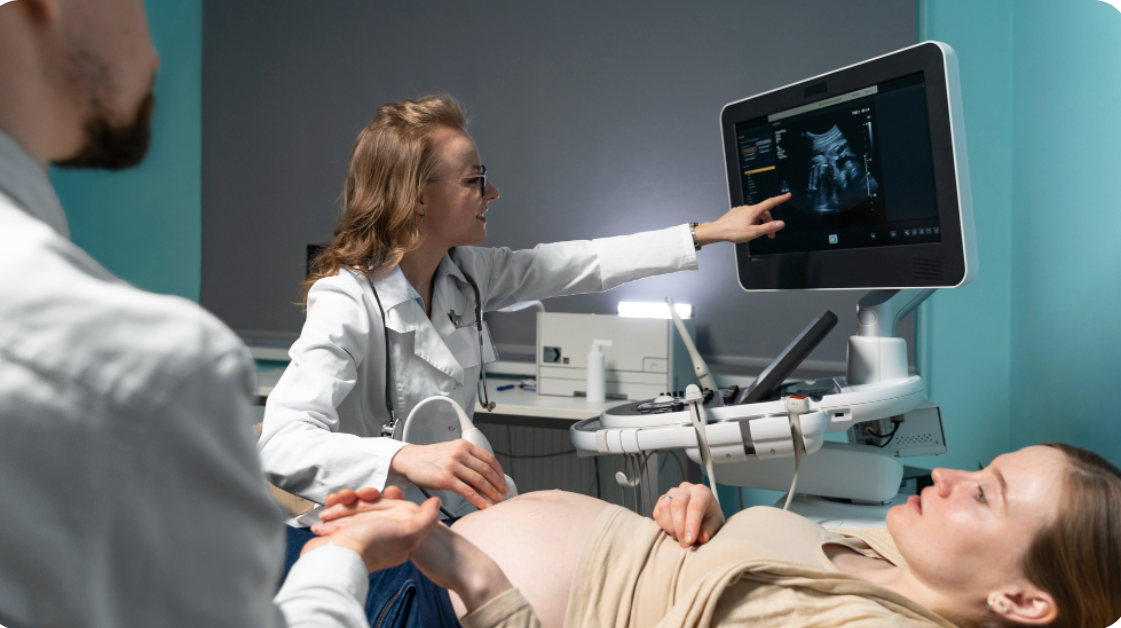
Healthcare is no longer confined to hospital walls. Over the past decade, diagnostic imaging has undergone a major transformation—shifting toward faster, more accessible, and patient-centered care.
At the center of this transformation is ultrasound technology. Once limited to radiology departments, ultrasound services are now being delivered at the bedside, in clinics, and even in patients’ homes.
This shift—driven by innovation, demand for faster diagnosis, and improved patient outcomes—is redefining how and where healthcare is delivered.
What Are Point-of-Care and Mobile Ultrasound Services?
Point-of-Care Ultrasound (POCUS)
POCUS refers to ultrasound performed directly at the patient’s location—whether in an emergency room, clinic, or bedside setting.
Instead of sending patients to imaging departments, clinicians can:
-
Perform scans immediately
-
Make real-time decisions
-
Begin treatment faster
Mobile Ultrasound Services
Mobile ultrasound brings imaging to:
-
Outpatient clinics
-
Remote or rural areas
-
Home healthcare environments
This approach eliminates the need for patients to travel, making care more accessible.
The Growth of Point-of-Care Ultrasound
The expansion of POCUS is not just a trend—it’s a rapidly growing global movement.
-
The market was valued at $5.44 billion in 2023 and is expected to reach $7.36 billion by 2030
-
Portable ultrasound devices now dominate with over 58% market share
This growth is driven by:
-
Demand for faster diagnosis
-
Increasing chronic disease prevalence
-
Shift toward decentralized healthcare
Why Ultrasound Is Moving Beyond Hospitals
1. Demand for Faster Diagnosis
Traditional imaging often requires:
-
Scheduling delays
-
Travel to hospitals
-
Waiting for results
Point-of-care imaging allows clinicians to diagnose conditions immediately, improving treatment timelines.
According to research, bedside ultrasound helps reduce time to treatment and overall costs
2. Portability and Technological Innovation
Modern ultrasound devices are:
-
Compact and handheld
-
Easy to use
-
Connected to smartphones or cloud systems
Handheld ultrasound devices are the fastest-growing segment, enabling use in:
-
Emergency care
-
Primary care clinics
-
Remote healthcare settings
3. Expanding Access to Healthcare
One of the biggest advantages of mobile imaging is accessibility.
POCUS is especially valuable in:
-
Rural and underserved communities
-
Home healthcare settings
-
Resource-limited environments
It helps bridge gaps where traditional imaging is not available, providing critical diagnostic capabilities in real time
Key Benefits of Expanding Ultrasound Services
1. Real-Time Clinical Decision Making
Ultrasound provides immediate results, allowing doctors to:
-
Diagnose conditions on the spot
-
Adjust treatment plans quickly
-
Reduce delays in care
2. Reduced Patient Wait Times
Traditional imaging often involves long wait times. Mobile and point-of-care imaging:
-
Eliminates scheduling delays
-
Speeds up diagnosis
-
Improves patient flow
This aligns with the growing demand for faster ultrasound services in modern healthcare systems.
3. Improved Patient Experience
Patients benefit from:
-
Shorter appointment times
-
Less travel
-
More convenient care
For many, receiving care closer to home significantly improves satisfaction and outcomes.
4. Safer Imaging for Frequent Use
Ultrasound uses sound waves instead of radiation, making it safe for:
-
Repeated monitoring
-
Pregnant patients
-
Children
This safety profile makes it ideal for ongoing care.
Real-World Applications of Mobile Ultrasound
The versatility of ultrasound is one of its greatest strengths.
Emergency and Critical Care
Portable ultrasound enables rapid diagnosis of:
-
Internal bleeding
-
Organ damage
-
Cardiac conditions
In trauma cases, scans can be completed in under five minutes, improving survival rates
Primary Care and Clinics
Doctors can use ultrasound to:
-
Diagnose conditions during routine visits
-
Reduce referrals
-
Improve efficiency
Home Healthcare
Mobile imaging supports:
-
Elderly patients
-
Chronic disease monitoring
-
Post-surgical follow-ups
This reduces hospital visits and enhances comfort.
Rural and Remote Healthcare
In areas with limited access to hospitals, ultrasound becomes a lifeline for diagnosis, enabling timely medical decisions.
How Private Clinics Are Leading the Shift
Private imaging providers are playing a major role in expanding access to ultrasound.
Why Wait Imaging Inc. focuses on:
-
Fast, patient-centered imaging
-
Advanced diagnostic technology
-
Reduced wait times
Their services reflect the broader industry trend toward accessible and efficient imaging solutions.
By offering flexible and rapid imaging options, they help patients receive timely care without the delays often associated with traditional systems.
Challenges and Considerations
While the growth of mobile ultrasound is promising, there are challenges:
1. Training Requirements
Clinicians need proper training to ensure accurate image interpretation.
2. Equipment Limitations
Portable devices may not always match the full capabilities of hospital-based systems.
3. Integration with Healthcare Systems
Data sharing and coordination between providers must be seamless for optimal care.
Despite these challenges, ongoing advancements continue to improve usability and performance.
The Future of Ultrasound Services
The future of ultrasound is driven by innovation and accessibility.
Key Trends to Watch:
AI Integration
Artificial intelligence is improving:
-
Image interpretation
-
Diagnostic accuracy
-
Workflow efficiency
Telehealth Integration
Ultrasound devices are increasingly connected to telemedicine platforms, enabling remote diagnosis and consultations
Wearable and Wireless Devices
Emerging technologies are making ultrasound even more portable and user-friendly.
Why This Shift Matters for Patients
The expansion of ultrasound beyond hospitals represents a major step forward in healthcare.
Patients now benefit from:
-
Faster access to diagnosis
-
More convenient care
-
Reduced waiting times
-
Improved outcomes
This evolution is making ultrasound services more accessible than ever before.
Conclusion: A More Accessible Future for Imaging
Ultrasound is no longer confined to hospital radiology departments. With the rise of point-of-care and mobile imaging, healthcare is becoming more:
-
Accessible
-
Efficient
-
Patient-centered
As technology continues to evolve, the role of ultrasound services will only expand—bringing high-quality diagnostic care closer to patients, wherever they are.
Because in today’s healthcare landscape, getting answers quickly and conveniently can make all the difference.

 Arabic
 French
 Spanish
 Portuguese
 Deutsch
 Turkish
 Dutch
Dutch
 Italiano
 Russian
 Romaian
 Portuguese (Brazil)
 Greek
Greek